I first learned about Temple Crag while eagerly browsing my recently purchased guidebook “Sierra Classics: 100 Best Climbs in the High Sierra.” I was just 18 at the time and had gotten my first taste of high Sierra alpine rock by climbing Cathedral Peak in Tuolumne Meadows (guiding this climb is on my bucket list, but the regulations present a challenge). This book by the legendary climbers John Moynier and Claude Fiddler is still one of my most treasured possessions, as it opened my eyes to many other Sierra climbs as well. I never lend it out. To anyone!
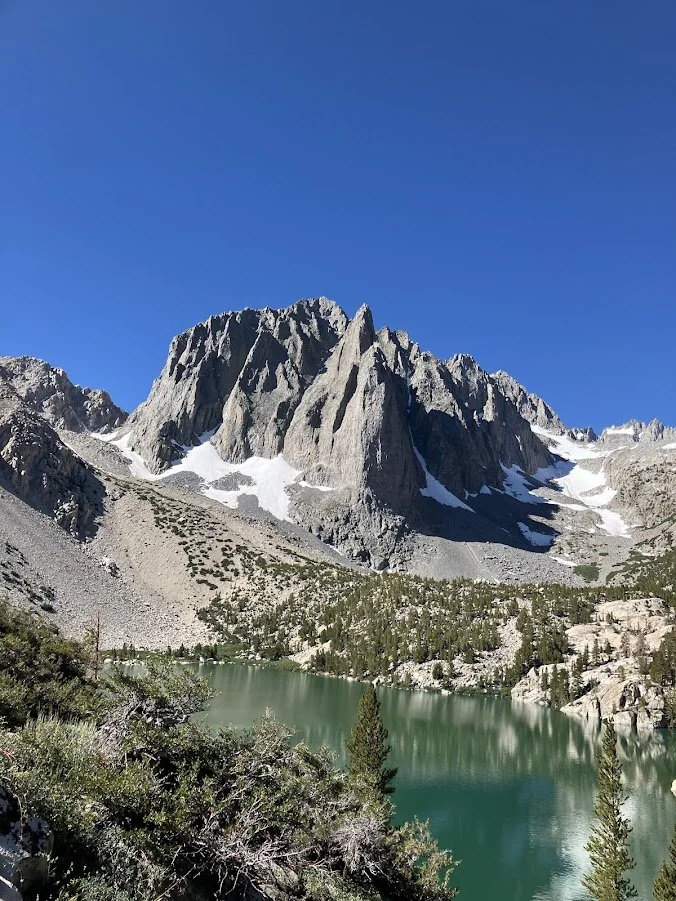
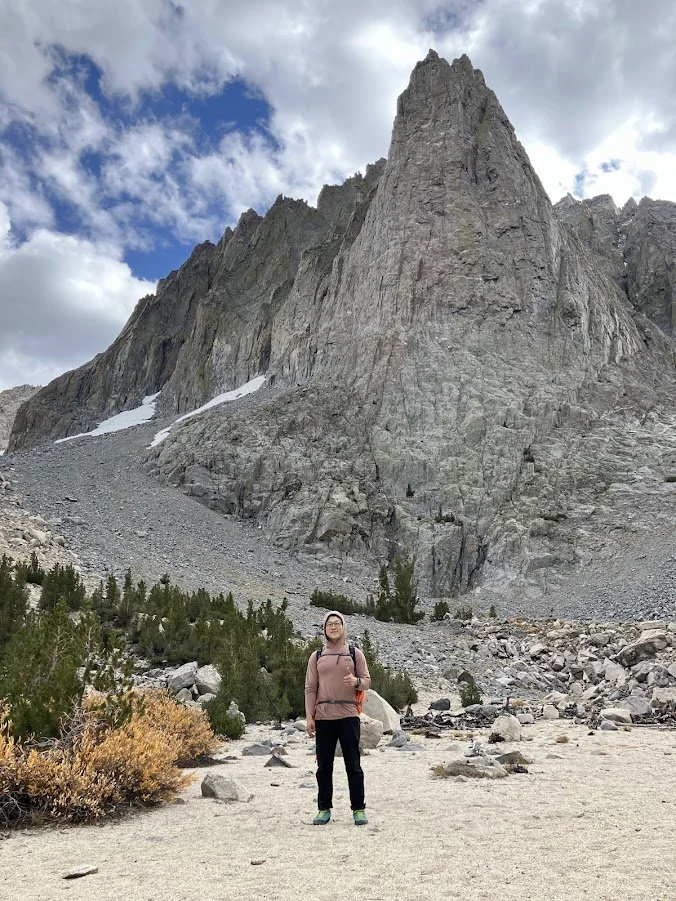
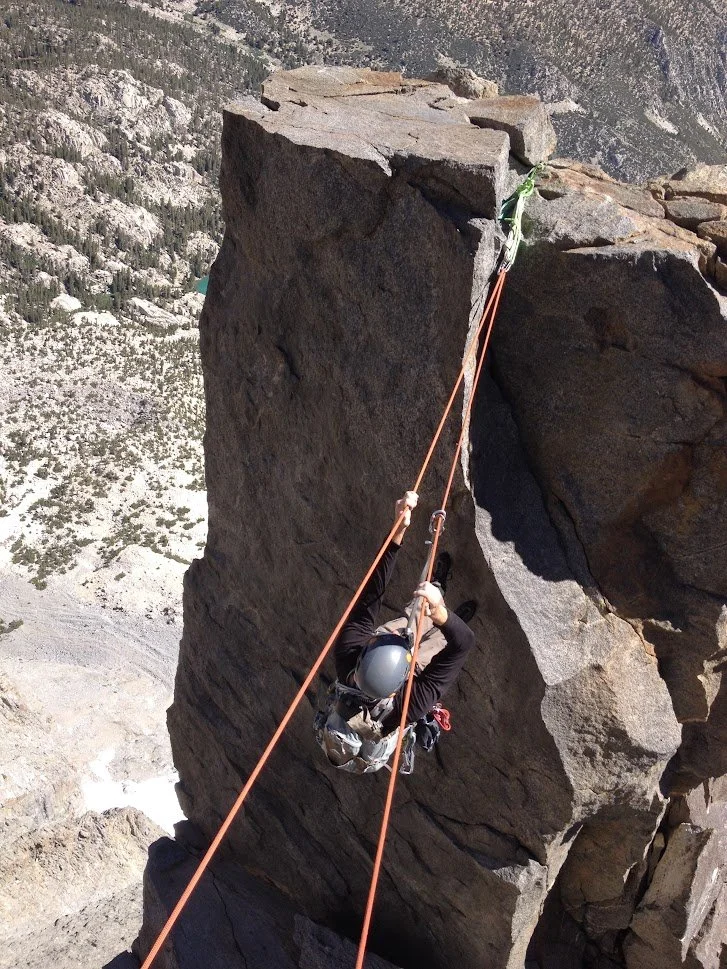
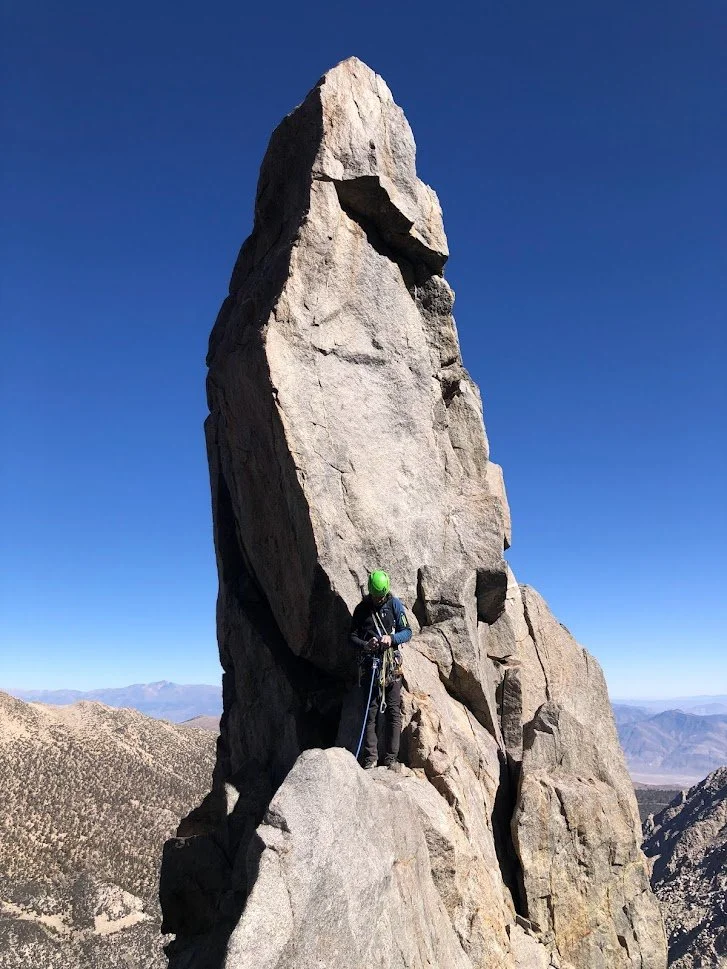
The black-and-white image of Temple Crag was the first I’d seen of this immense rock formation, sitting right at the base of the Palisades crest. It was love at first sight. It took a few years of ticking off less-committing alpine rock routes in the Sierra before I first ventured onto Temple Crag with one of my closest friends and climbing partners, Phil Caballero. We went for the “Moon Goddess Arete,” a 5.8 that struck us as as one of the most stunning ridges (of many) running down from the summit, and perhaps the most aesthetic excepting the creme-de-la-creme “Sun Ribbon Arete,” which we figured we’d climb later once we figured out how to do a Tyrolean traverse (a unique, though not actually mandatory, feature of this climb).
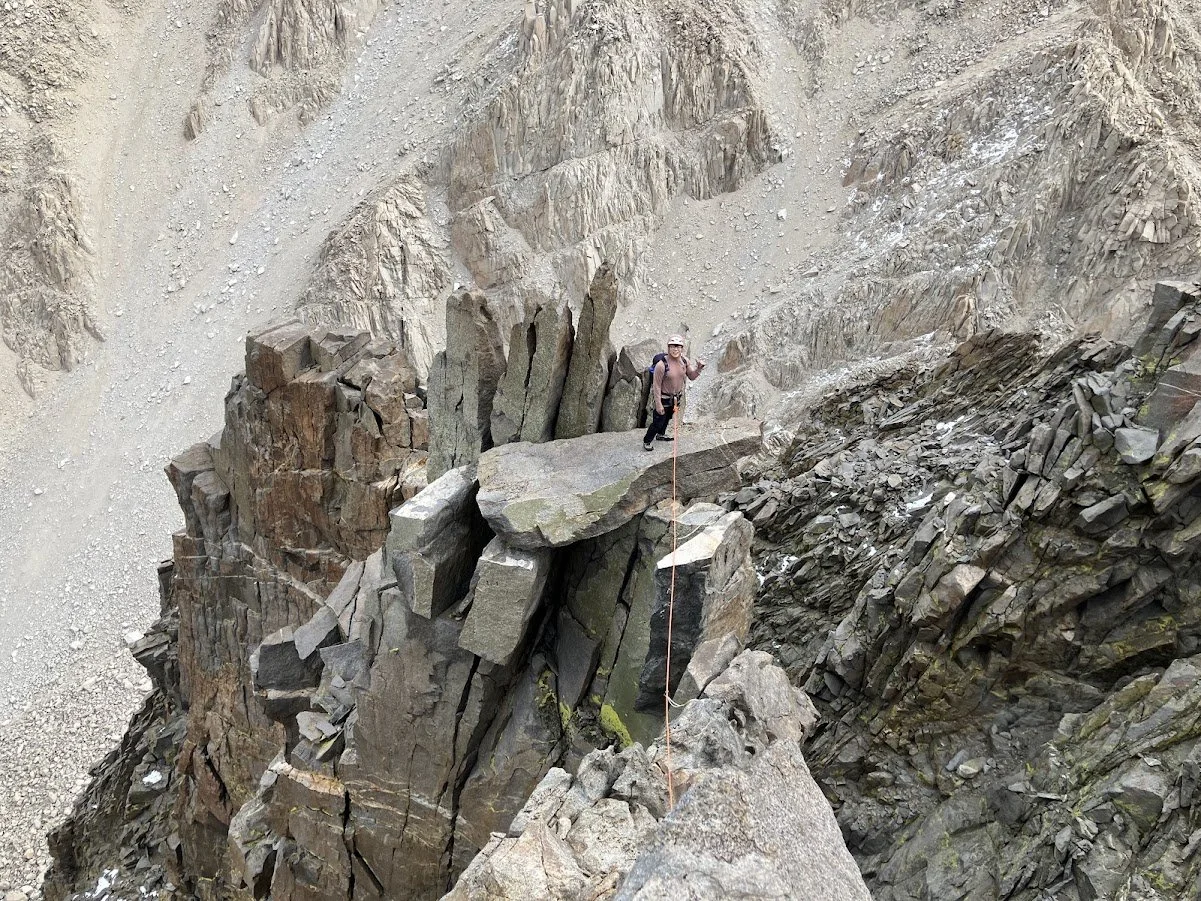
Getting up Moon Goddess presented us with the most biggest route-finding challenges either of us had encountered at the time. This is when I first gained respect for the term “gendarme.” Should we try this way? Or that way? The topo we looked at seemed more than useless. But we somehow managed to get to the top of the ridge, euphoric and hungry for more of this type of adventure. We later climbed El Cap together via the Nose route, but I think the Moon Goddess was in many ways a greater challenge to our mountain sense. It was truly one of my best days ever in the mountains. I’ve been back to “The Temple” many times since, and what I have to say about is that it is the most mind-blowing formation for alpine rock climbing, especially aretes, I have ever seen. The rock quality can be a mixed bag (I like to be honest), but we aren’t talking decomposing kitty litter or man-eating cheese-grating cracks like at Joshua Tree. Expect highly compact rock with suspect macro-scale structure. In other words, you don’t want to put a cam in every crack you see, as stacked blocks (sometimes loose) are what comprise the formations you are climbing on at least some of the time.